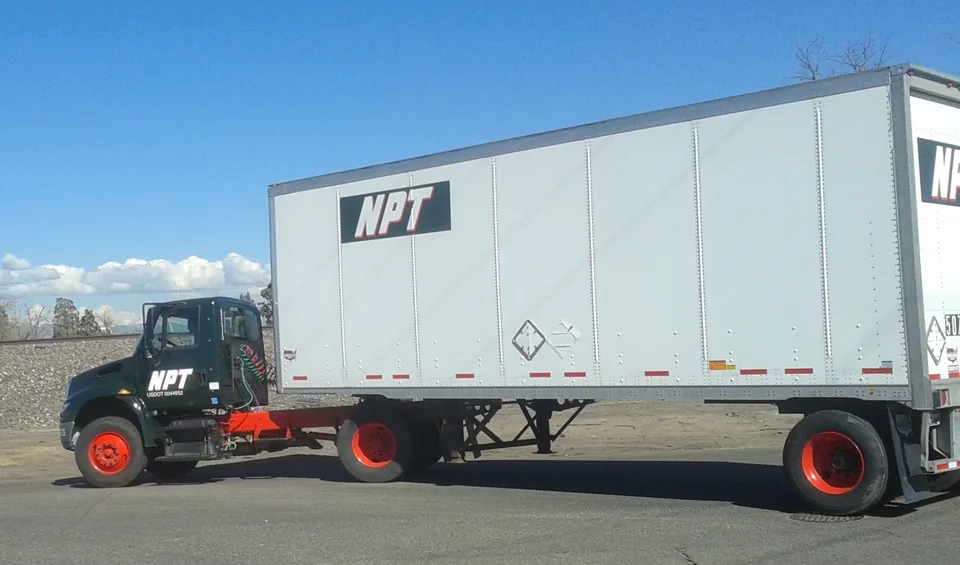
The Truck Collision Record
An independent Colorado fieldbook for truck-collision evidence. This publication explains official crash records, carrier identifiers, source trails, and the difference between facts, source records, unanswered questions, and legal conclusions. It is not a law firm, clinic, or referral service, and it does not provide legal advice, predict outcomes, or create an attorney-client relationship.
Start with the free worksheet, then work through the four guides below. Each section gives you a specific task you can complete with public records.
Task one — Map your evidence with the worksheet
Open the private worksheet and list every document you already hold: the crash report, insurance correspondence, photos, and any notes. For each item, record the document category, the public source link, the source date, and any unanswered question. The worksheet does not score liability or calculate deadlines; it simply keeps your evidence organized in one place.
Task two — Identify the carrier from public identifiers
A truck's USDOT number and the carrier's legal name are public identifiers you can verify yourself. The free SAFER Company Snapshot includes company identification and size, commodity information, safety rating if any, an out-of-service inspection summary, and crash information. Note that the free Snapshot is distinct from the more detailed Company Safety Profile, and these public records do not establish fault in a particular collision.
SAFER uses carrier information from existing government motor carrier safety databases, currently consisting of interstate carrier data and several states' intrastate data; interstate inspection and crash data are generally presented only for interstate carriers. Snapshot data is updated daily, except inspection and crash counts, which update weekly. Company information comes from FMCSA's Motor Carrier Management Information System and Licensing and Insurance systems.
Your task: search the carrier on SAFER, write down the USDOT number, legal name, and safety rating, and note the date you looked. Read the guide on public carrier identifiers
Task three — Build a usable source trail
Keep a record of every public source you consult, with the URL, the date you accessed it, and what the source actually says. A source trail is not the same as a legal conclusion; it is the paper path that lets you and a future attorney verify each claim. If a record is missing or unclear, write down the question rather than guessing.
Your task: for each document in your worksheet, add the exact public source link and the date you retrieved it. Read the guide on keeping a usable source trail
Task four — Separate crash records from unanswered questions
A crash report records what happened as observed and reported; it does not answer every question about fault, coverage, or liability. Insurance terms matter here: in Colorado, liability insurance protects the policyholder from financial loss from legal claims by a third party, and uninsured/underinsured motorist coverage is optional and pays for bodily injury losses from a hit-and-run driver, an uninsured driver, or an underinsured vehicle.
Your task: list the facts you know from records, then list the questions that remain unanswered, such as which carrier operated the vehicle, what coverage applied, and what the inspection history shows. Read the guide on crash records and questions
Task five — Prepare documents for a legal conversation
When you are ready to speak with an attorney, bring your worksheet, your source trail, and your list of unanswered questions. Organize documents by category, note which records are public and which are private, and be ready to explain what you have verified and what you have not. A legal conversation is more productive when you can show your evidence path rather than only describe it.
Your task: assemble your documents in the order of your worksheet and write a one-page summary of your unanswered questions. Read the guide on preparing for a legal conversation
Where the information comes from
This publication draws on public sources, including the FMCSA SAFER system, the Colorado Division of Insurance, and Colorado judicial self-help resources. The law firm website at bradfreedberg.com describes its own practice, but that self-description is not an authoritative legal source and does not prove that its attorney reviewed these pages. Legal review is assigned to a qualified attorney for a future draft; no review has been completed or dated.
If a fact is uncertain, check the public source directly. Ask the FMCSA about intrastate data coverage, ask the Colorado Division of Insurance about coverage questions, and ask the court self-help resources about procedure. Your own questions, written down and dated, are part of the evidence trail.
